Luxury hospitality in Punjab is evolving rapidly. No longer confined to metropolitan skylines, refined hotel experiences are redefining comfort, service, and culinary sophistication across emerging destinations like Sirhind and Fatehgarh Sahib. Today’s traveler—whether corporate, leisure, wedding guest, or family vacationer—expects more than a well-furnished room. They seek a seamless journey marked by thoughtful design, attentive service, exceptional dining, and effortless accessibility.
As competition rises, the benchmark for becoming the Best hotel in Sirhind is no longer limited to infrastructure alone. It requires strategic vision, operational excellence, and a guest-first philosophy that transforms ordinary stays into memorable experiences.
But what truly makes a hotel premium in Punjab?
A premium hotel is not defined by star classification alone. It is shaped by experience—how guests feel from arrival to departure. It is the harmony between architecture and ambience, efficiency and warmth, grandeur and personalization. In this in-depth guide, we explore the defining elements that elevate a property beyond standard hospitality and position it as a distinguished luxury hotel in Punjab.
1. Architectural Presence: The First Impression That Defines Expectations
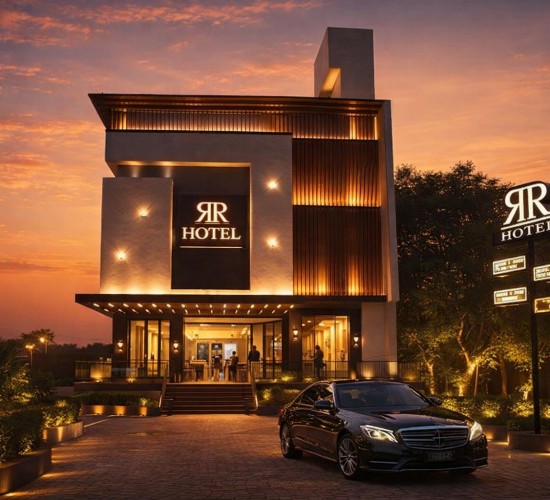
The experience begins before guests step inside. Exterior design communicates identity. A premium hotel stands confidently—balanced proportions, elegant façade treatments, thoughtful lighting, and landscaping that enhances visual appeal after sunset.
In growing hospitality markets like Punjab, architecture must blend regional character with contemporary sophistication. Clean lines, structured elevations, and subtle traditional influences create a sense of belonging without appearing dated. Strategic lighting design transforms the building into a landmark at night, reinforcing brand presence and prestige.
A well-designed arrival zone is equally critical. Wide entrances, organized parking, valet services, and covered drop-off areas signal convenience and planning. The journey from car door to lobby should feel fluid and welcoming, not hurried or confusing.
Premium hospitality begins with clarity and confidence in design.
2. Lobby & Public Spaces: Crafting a Statement of Elegance
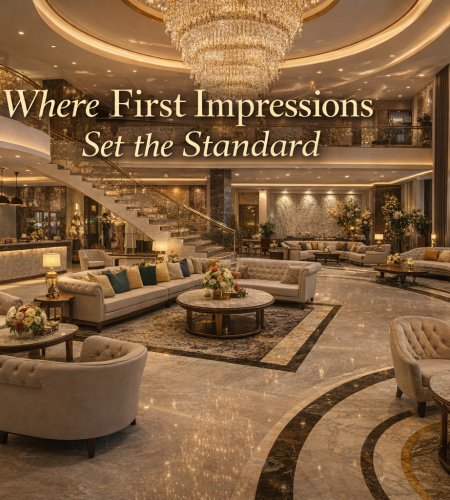
Once inside, the lobby becomes the emotional centerpiece. It must communicate luxury without excess, warmth without clutter.
Key features of a premium lobby include:
Double-height ceilings or spatial openness
Premium flooring materials such as marble or polished stone
Designer lighting fixtures that act as art pieces
Comfortable seating clusters for informal meetings
Subtle fragrance and ambient background music
A premium hotel understands sensory influence. Lighting temperature, scent diffusion, and acoustics shape perception instantly. When executed thoughtfully, guests feel calm, valued, and impressed within seconds.
Public corridors, elevators, and transitional spaces must maintain this standard. Luxury is consistency. A beautifully designed lobby followed by poorly lit corridors disrupts perception. Premium hotels ensure design continuity throughout the property.
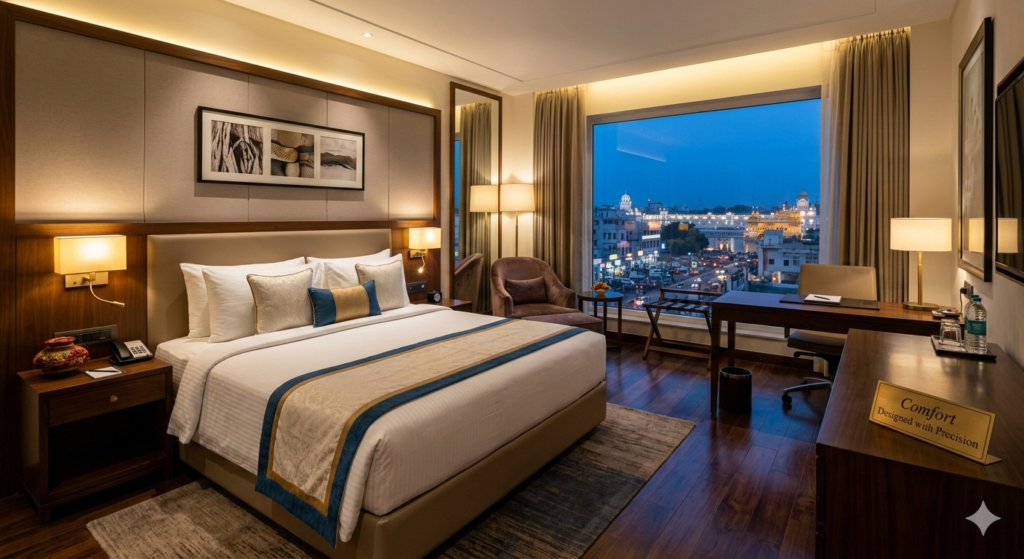
3. Guest Rooms: Where Comfort Meets Precision
Rooms are the core revenue drivers—and the ultimate benchmark of quality.
A truly premium room in Punjab offers:
Spacious Layout Planning
Smart zoning between sleeping, working, and relaxation areas enhances functionality. Business travelers require ergonomic desks and charging accessibility. Families need flexible bedding arrangements.
Premium Bedding Standards
High-thread-count linens, supportive mattresses, and layered pillows elevate sleep quality. Rest is central to guest satisfaction.
Intelligent Lighting
Multiple lighting options—task, ambient, and accent—allow guests to customize mood and utility.
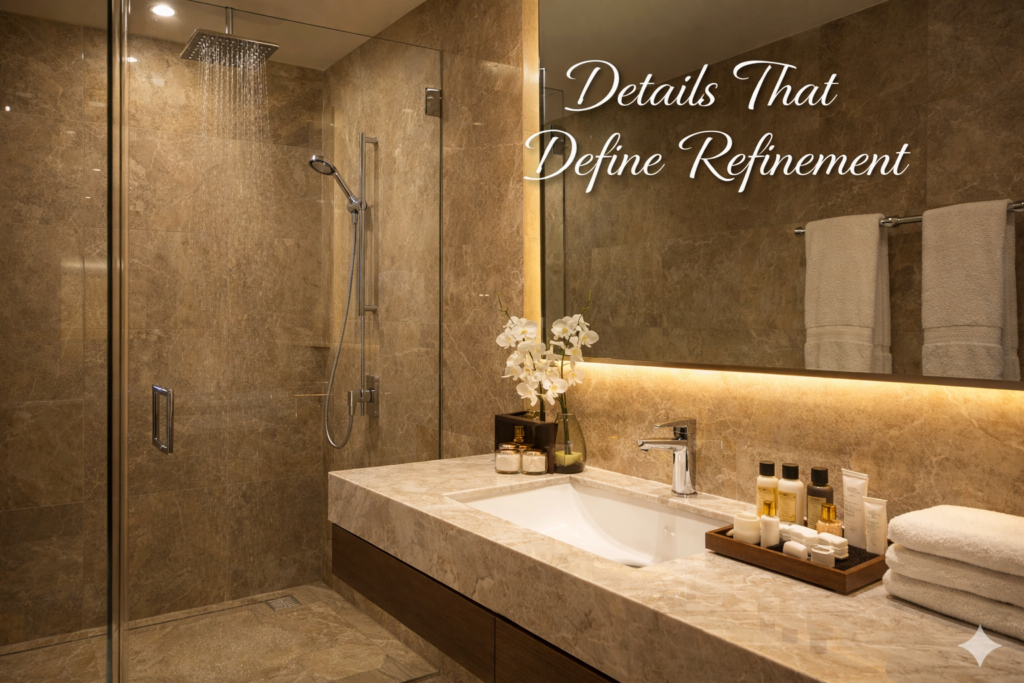
Bathroom Excellence
Rain showers, premium fittings, ample counter space, and spotless maintenance define luxury. Bathroom quality often influences overall hotel ratings.
Technology Integration
Fast Wi-Fi, smart televisions, accessible charging points, and seamless room controls ensure modern expectations are met.
A premium hotel anticipates needs before guests articulate them.
4. Personalized Service: The Invisible Differentiator
Service transforms infrastructure into experience.
In premium hospitality, staff training goes beyond operational efficiency. It focuses on emotional intelligence, attentiveness, and anticipation. Remembering guest preferences, addressing requests promptly, and maintaining composure under pressure are non-negotiable standards.
Personalization may include:
Customizing room setups for special occasions
Offering curated local recommendations
Flexible dining accommodations
Luxury is not loud. It is subtle, intuitive, and consistent.
In competitive hospitality environments, service excellence becomes the most powerful differentiator.
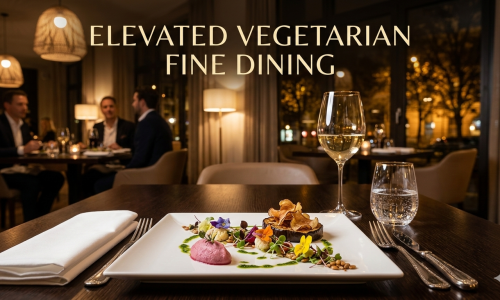
5. Culinary Excellence: Elevating Vegetarian Fine Dining in Punjab
Punjab is globally celebrated for its rich culinary heritage. However, modern premium hotels are reinterpreting traditional flavors through refined presentation and curated menus.
The evolution of vegetarian fine dining is particularly significant. Guests now expect:
Gourmet plating techniques
Balanced flavors with lighter compositions
Seasonal ingredient sourcing
Hygienic, open kitchen practices
Diverse regional and global vegetarian options
Premium hotels treat dining as a signature experience, not an auxiliary service. The restaurant’s ambience, lighting, table spacing, and acoustic comfort must align with culinary standards.
Breakfast spreads must be comprehensive yet thoughtfully arranged. Lunch and dinner menus should balance heritage flavors with contemporary tastes.
A hotel that masters dining strengthens its brand authority significantly.
6. Banquet & Event Infrastructure: The Revenue Multiplier
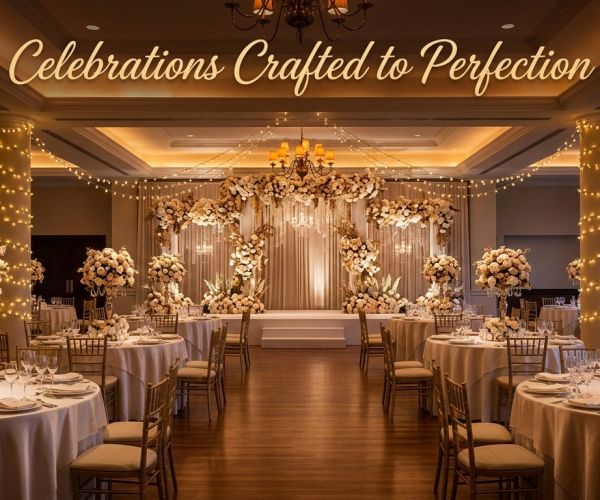
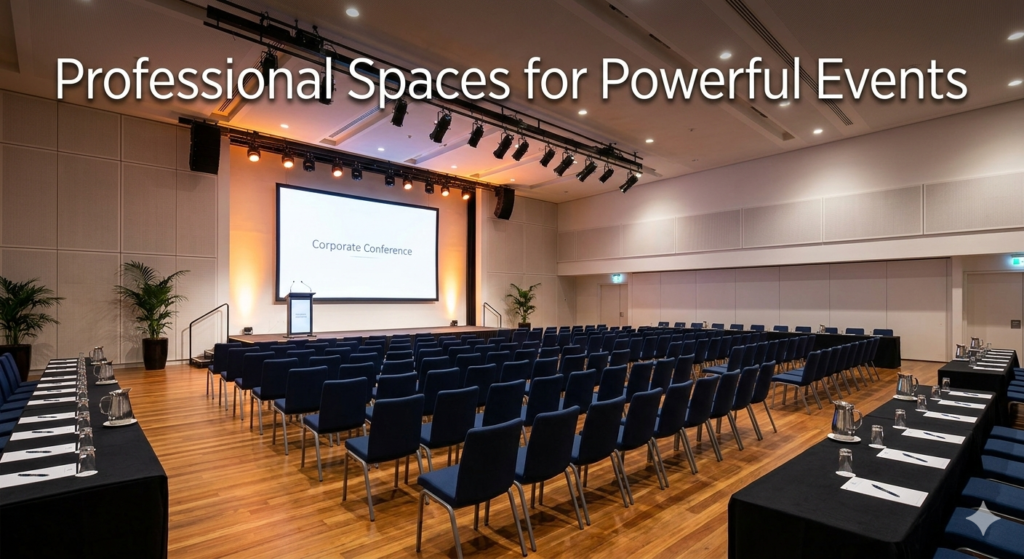
Punjab’s social culture places immense importance on celebrations—weddings, anniversaries, corporate launches, and community gatherings. A premium hotel must offer adaptable event infrastructure.
Core banquet features include:
Pillarless halls for flexible layouts
Advanced audio-visual systems
Dedicated event planning teams
Customizable décor options
Efficient catering logistics
Separate service corridors to maintain guest privacy
Premium properties design events as experiences rather than transactions. From guest flow management to parking planning, operational precision defines success.
Corporate clients, in particular, value punctuality, presentation quality, and technical reliability. Seamless event execution enhances long-term brand credibility.
7. Strategic Location: Accessibility as a Luxury
Location is not merely geography—it is convenience.
Hotels positioned near railway connectivity, business districts, or heritage landmarks enjoy a competitive edge. Accessibility reduces travel fatigue and enhances planning efficiency for both business and leisure guests.
In emerging cities like Sirhind and Fatehgarh Sahib, proximity to transportation hubs significantly influences booking decisions. A hotel that balances peaceful surroundings with strategic connectivity offers the best of both worlds.
Premium hospitality integrates accessibility into its value proposition.
8. Safety, Hygiene & Operational Excellence
Modern luxury includes assurance.
Premium hotels invest in:
Structured housekeeping protocols
Advanced security systems
24/7 surveillance monitoring
Fire safety compliance
Clear emergency response procedures
Post-pandemic expectations have elevated hygiene standards permanently. Visible cleanliness, sanitization transparency, and organized workflows enhance guest trust.
Operational discipline reflects brand maturity.
9. Staff Training & Culture Development
Behind every premium hotel is a disciplined team culture.
Structured onboarding, service simulation exercises, grooming standards, and feedback mechanisms create operational consistency. Leadership must instill accountability and pride in service delivery.
Hospitality excellence is not accidental—it is engineered through systems, training, and continuous evaluation.
Today’s premium hotels function as lifestyle hubs. They integrate:
Café culture spaces for informal meetings
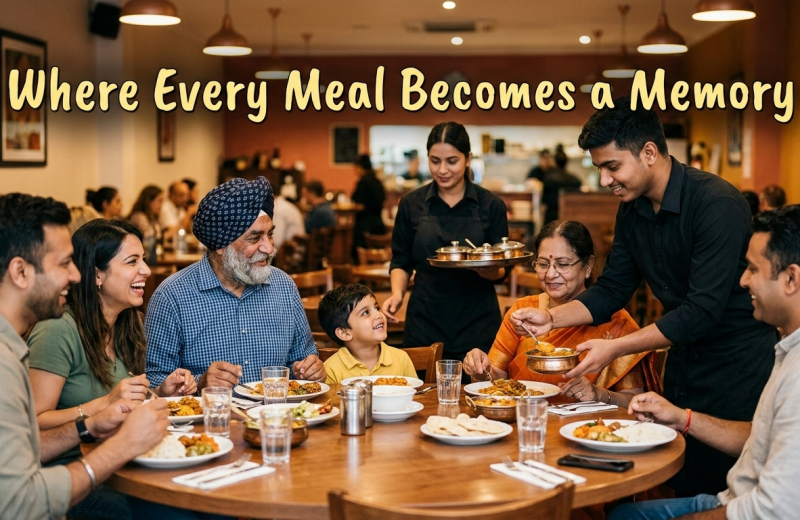
Family-friendly dining zones
Wellness facilities
Curated city exploration recommendations
Celebration packages
Guests seek memorable moments. Hotels that design experiences rather than simply provide rooms command stronger brand loyalty.
11. Digital Presence & Reputation Management
A premium identity extends online.
High-resolution photography, virtual tours, clear booking interfaces, and responsive communication channels are essential. Guest reviews must be monitored professionally, with prompt and respectful responses.
Digital transparency reinforces trust before arrival.
12. Sustainability & Responsible Luxury
Modern premium hospitality in Punjab is increasingly aligned with sustainability:
Energy-efficient lighting systems
Water conservation strategies
Responsible waste management
Locally sourced produce
Reduced plastic usage
Guests appreciate brands that combine comfort with responsibility. Sustainable operations enhance both reputation and long-term cost efficiency.
13. The Emotional Quotient: The Ultimate Benchmark
At its core, premium hospitality is emotional.
It is the reassurance felt when staff handle requests effortlessly. It is the comfort of restful sleep after a long journey. It is the pride of hosting guests in a refined banquet space. It is the satisfaction of dining in an elegant, well-managed restaurant.
When a hotel consistently delivers these emotions, it surpasses expectations.
Conclusion: Redefining Premium Hospitality in Punjab
Punjab’s hospitality landscape is evolving beyond traditional definitions of luxury. Emerging cities like Sirhind and Fatehgarh Sahib are demonstrating that premium experiences are not limited to metro destinations.
To be recognized as the Best hotel in Sirhind, a property must consistently deliver excellence across architecture, service, dining, and operational precision. Similarly, standing out as a true luxury hotel in Punjab requires more than elegant décor—it demands seamless execution, emotional connection, and an unwavering commitment to guest satisfaction.
A truly premium hotel integrates:
Architectural distinction
Elegant interiors
Personalized service
Culinary excellence
Strategic location
Event infrastructure
Operational precision
Emotional resonance
When all these elements align seamlessly, the result is not just a stay—but a refined journey.
In today’s competitive hospitality environment, exceeding expectations is no longer optional. It is the defining standard of leadership.